
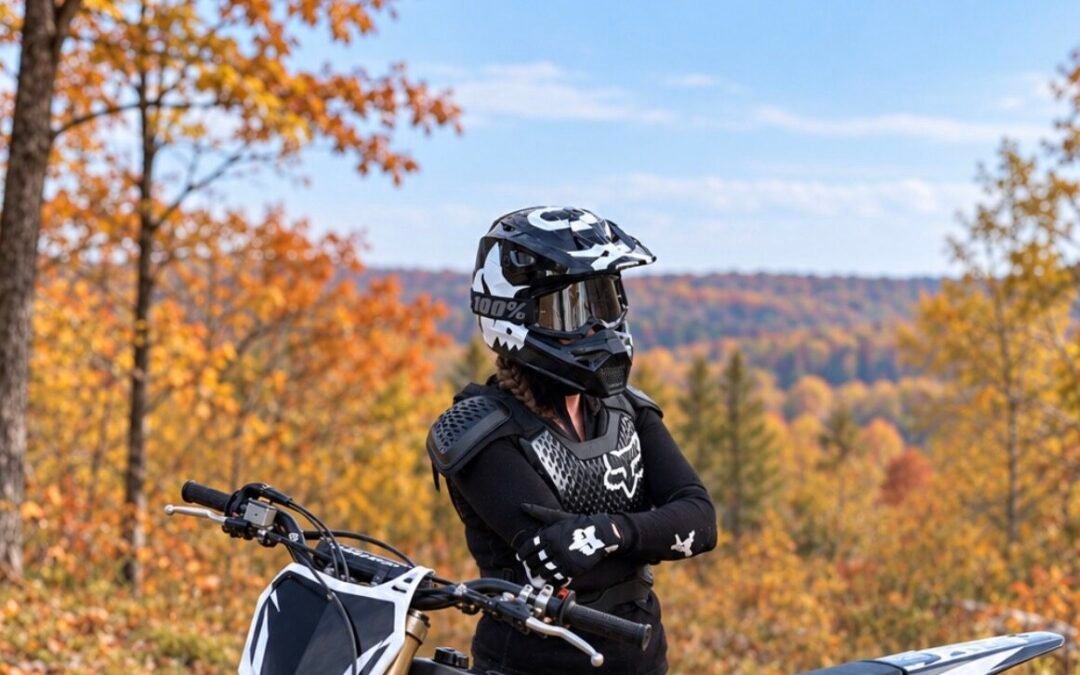
In this dialogue, RPL’s Rowan Wilson talks with Misty Ryder about community, nonprofit leadership, and learning through experience.
Misty Ryder leads Concerned Citizens of Ossipee, a nonprofit that serves seven towns across southern Carroll County through Meals on Wheels, congregate meals, child care, holiday assistance, and diaper distribution. Having spent most of her life in the Ossipee area, Ryder is committed not only to meeting immediate needs but also to changing how people think about and contribute to their communities. RPL’s Rowan Wilson sat down with Ryder to discuss small-town culture, nonprofit leadership, and an ambitious plan to travel across the country and learn from other communities.
So how long have you been in Ossipee?
I was born in Ossipee, but I was raised in Wakefield, which is not very far. And then I lived in Maine for a year and then we moved back to Ossipee when I was a teenager, and I’ve kind of been here ever since.
You have lived in the Ossipee area for much of your life and now lead an organization serving the community. What brought you into nonprofit leadership?
I was working in the child care program while finishing college, and after graduating with a bachelor’s degree in business administration, I heard that the director was going to retire. I thought, “I want that job. I know I could do it.”
I joined the board, eventually applied for the position, and got the job. I had no idea what I was getting into, and nobody was there to teach me, so I had to figure it out myself. It has been much more work than I expected, but it is rewarding. There is a lot involved, but it all comes back to serving the community.
You have said that changing the culture of Ossipee is one of your priorities. What do you mean by that?
People have made fun of Ossipee for as long as I can remember. When I was in high school, people would look down on you if they knew you lived here. Even some teachers treated students differently. I never understood it, and I still see that attitude today.
What fascinates me is that sometimes people from Ossipee reinforce it themselves. I was recently at a bar in Wolfeboro when some people from Ossipee started criticizing their own town. I spoke up and said we did not need to talk about Ossipee that way.
I want people to think differently about their community and one another. We have good people here, and I want to help build a stronger sense of community and pride.
How do you begin to change a community’s culture?
I think people need to care a little more. Too often, the attitude is, “That is not my problem.” Contributing does not have to mean doing something extraordinary. It can be as simple as picking up trash or doing a little extra to make the town a nicer place to live.
I also try to redirect people’s energy when they get caught up in conflict. When we were organizing a Christmas parade and tree lighting, I had noticed people arguing on Facebook about various issues. We needed a tree, lights, refreshments, and other supplies, so I asked some of those same people to take responsibility for getting them. Most of them followed through.
I wanted to show them that we could use that energy to accomplish something instead of fighting with one another. If we work together, we can make something good happen.
I know I will not see a cultural shift overnight. With the Santa Project, for example, I encourage participating families to volunteer. My hope is that parents and children will learn the value of giving back. It may take years to see the results, but I think it is worth trying.
Ossipee is changing as more people move into the area. What challenges and opportunities do you see?
We are seeing more people move here from cities, and development is changing areas that were once much less populated. Some people are upset about those changes, and I understand that. Ossipee is beautiful, and we need to think about preserving what makes it special.
At the same time, we need stronger businesses and more places for people to gather. There is not much of a downtown where people can shop, spend time together, and build connections. My older son moved to Tennessee because he did not see enough here to keep him. If we want young people to stay, we need to create more opportunities for them.
There is also a tension between welcoming newcomers and preserving local ways of doing things. People arriving from larger cities may have different expectations, while longtime residents can be resistant to outsiders who want to make changes. We need to find ways to work through those differences.
What are the biggest challenges facing your organization and the people you serve?
Funding is a major challenge. The state pays us for Meals on Wheels and congregate meals, but the amount does not cover our costs, so we have to fundraise to make up the difference. At the same time, we face increasing paperwork and reporting requirements that take a lot of time and resources.
Food insecurity is another serious concern. When people hear that programs such as SNAP might be cut, older adults become frightened about whether they will have enough to eat. We see how much people depend on these services. We also collect rescued food from the food bank and Hannaford. We use what we can in our kitchen and make the rest available to the public for free. We are not technically a food pantry, but many people rely on that food.
Housing affordability is another major issue. Some families have moved away because they can no longer afford to live here, and homelessness is a growing concern.
Looking ahead, what do you want to accomplish at Concerned Citizens of Ossipee?
My biggest goal is sustainability. The organization still depends on me too much, and I want to change that. I have been documenting my entire job and mapping out how everything works so that someone else could step in if necessary. I want to empower my employees to make decisions, solve problems, and run the organization without needing me for everything.
I want to build something that can continue serving the community regardless of who is in charge. That is a big part of my focus right now.
You have also been sharing your thoughts on social media, where your posts have gained traction. What has surprised you about that experience?
I started posting on Facebook because I have all these thoughts, and I decided to start sharing them. I was surprised by how many people were paying attention. Sometimes my posts receive thousands of views, and people will approach me in public to say they enjoy what I write or find it inspiring.
I am not trying to be an influencer. I am simply sharing what I am thinking about. Facebook has even started paying me a little for my posts, so I am interested to see where that goes.
I have mixed feelings about social media, though. Sometimes I share something about feeling sad, and those posts get far more views than the positive ones. It makes me wonder why people can be more interested in drama than in the good things happening around them.
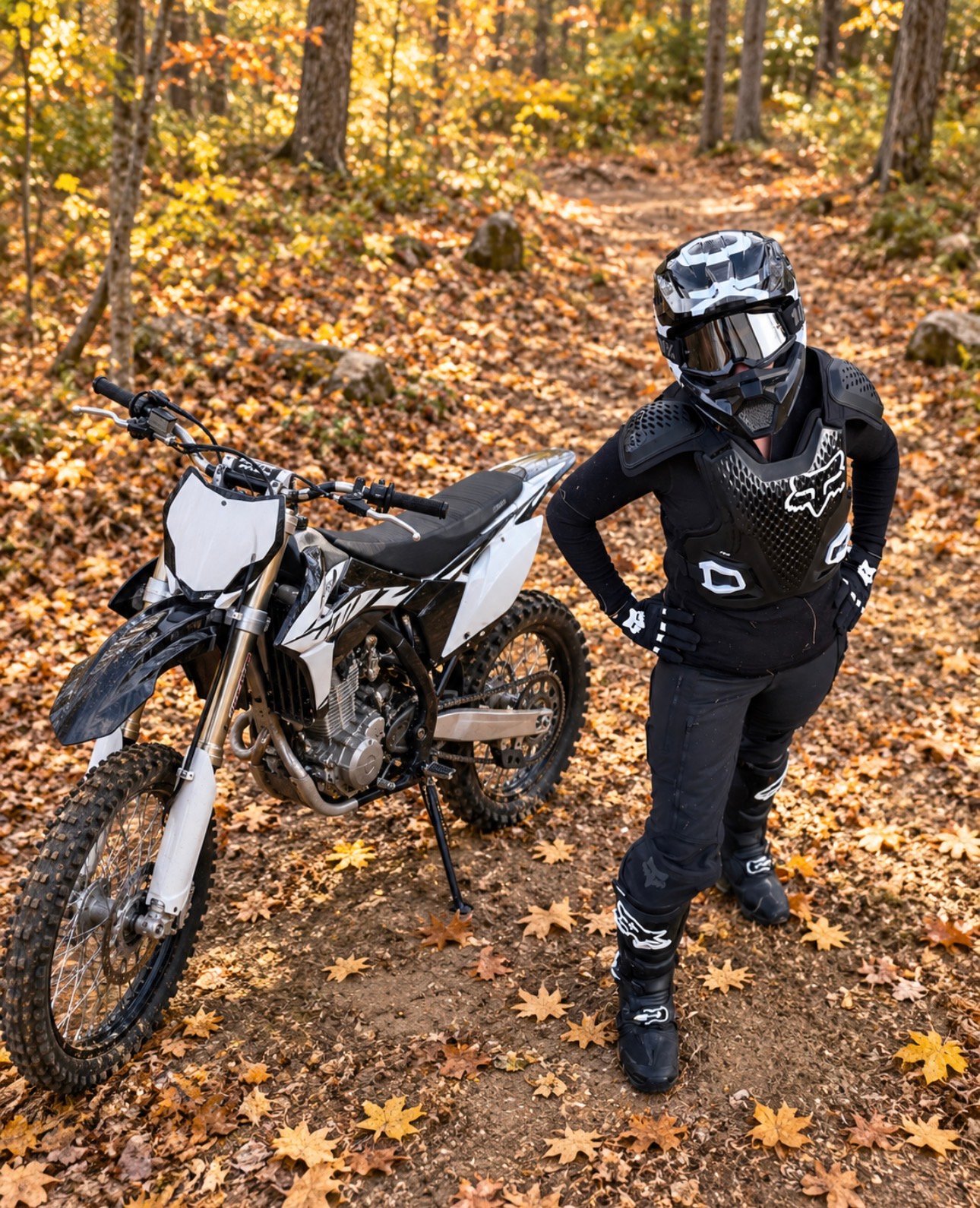

You are planning an ambitious trip across the country. What do you hope to do?
After my youngest son graduates, I want to travel through the 48 contiguous states, spending about two weeks in each. I want to hike and ride a dirt bike in every state, but I also want to visit communities similar to Ossipee and learn from their nonprofits.
I want to ask how they operate, how they secure funding, and how they manage their programs. Perhaps I can bring some of those ideas back and use them to do a better job here.
I am working to make Concerned Citizens sustainable so I can see whether I can manage it remotely while traveling. I have bought a truck, and I still need a camper and a dirt bike. The trip could take about two years.
I also want to do this while I still have the energy to enjoy it. Through Meals on Wheels, I sometimes visit people who are homebound and may be waiting all day for someone to stop by. I do not want to wait until my world becomes that small before I start living the way I want to live.
I once delivered a meal to a woman who was crying because she had to give up her dog and move into a nursing home. She looked around her house and talked about how she had worked her whole life for everything she owned, only to have to leave it behind. That stayed with me. What is the point of accumulating all these things if you cannot take them with you? What you have are your memories and experiences. I want to go out and live, travel, and experience the world while I can.
There seems to be a common thread connecting your work in Ossipee and your travel plans: a willingness to try something, learn from the experience, and see what happens. Is that fair?
Yes. I challenge myself to do things that make me uncomfortable because I think it is important to keep trying new things and learning. I cannot make people care about their community, but I can create opportunities for them to get involved. I cannot guarantee that my efforts will change Ossipee’s culture, but I can keep trying.
The same is true of my trip. I do not know exactly how everything will work out, but I want to explore, meet people, and learn from their experiences. I would rather try to make a difference than assume nothing can change.


Making Space for What Comes Next
RPL’s approach to narrative strategy draws on Spaciology, a framework that explores how the spaces we create shape our understanding, relationships, and possibilities. In our work, dialogue helps people examine their experiences, find shared meaning, and turn that understanding into clearer decisions and communications.
Bring us the question you are working through. We will start with a conversation. You can also explore Spaciology’s teachings and practices at UYM Charities.
